








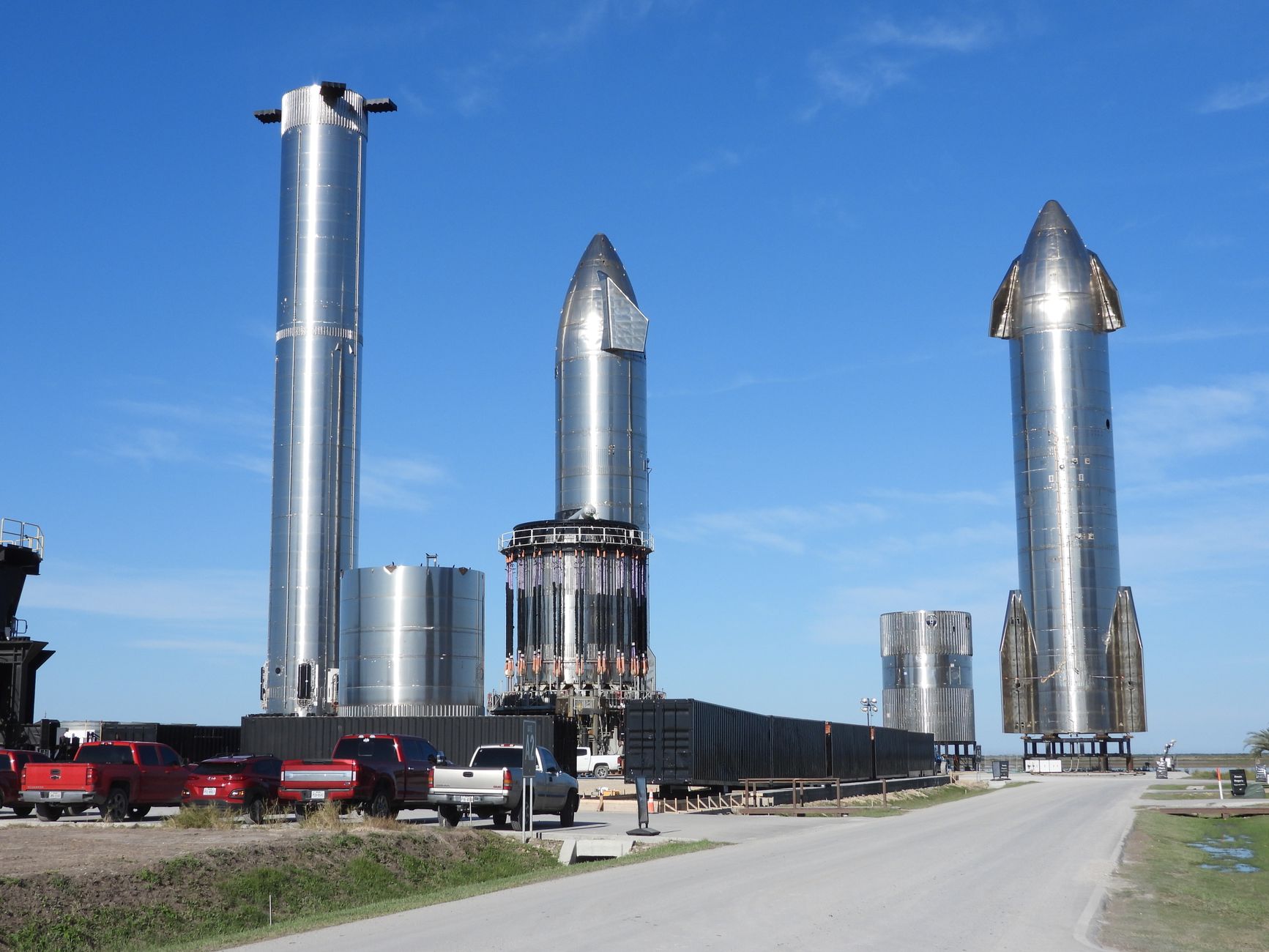
Starship HLS Lunar Lander is set to embark on 7 missions before 2027, marking a significant milestone in lunar exploration. This ambitious project promises to enhance our capabilities in space travel.
Overview of Starship HLS
The Starship HLS Lunar Lander is an innovative spacecraft designed to play a pivotal role in upcoming lunar missions. Developed by SpaceX, this lander is part of NASA’s Artemis program, which aims to return humans to the Moon and establish a sustainable presence there.
With its advanced technology and capabilities, the Starship HLS is expected to support a range of missions before 2027. Some key features of the lander include:
- Capacity: The lander can accommodate multiple astronauts and supplies.
- Reusable Design: Its reusability significantly reduces costs and increases efficiency.
- Advanced Propulsion: Equipped with powerful engines, it can perform complex maneuvers in lunar orbit.
- Autonomous Landing: The lander utilizes sophisticated navigation systems for precise landings on the Moon’s surface.
The missions involving the Starship HLS Lunar Lander are strategically planned to ensure comprehensive testing and demonstration of its capabilities. These missions will not only pave the way for future lunar exploration but also contribute valuable data for long-term human habitation on the Moon.
As NASA continues to refine its lunar objectives, the Starship HLS will undoubtedly play a central role in shaping the future of space exploration.
Mission Timeline and Goals
The mission timeline for the Starship HLS Lunar Lander is ambitious, with several key objectives set to take place before 2027. Each mission is meticulously planned to ensure the advancement of lunar exploration and the eventual establishment of a sustainable presence on the Moon.
Key milestones include:
- Mission 1: Initial uncrewed test flight scheduled for late 2024, focusing on system verification and lunar landing capability.
- Mission 2: A subsequent uncrewed mission in 2025 will aim to transport cargo, including scientific instruments, to the lunar surface.
- Mission 3: A crewed mission is targeted for 2026, where astronauts will conduct surface operations and experiments.
- Mission 4: Following the success of the crewed mission, a series of supply runs will be launched in 2027 to support ongoing lunar research.
- Mission 5: The HLS will be involved in international collaborative missions, enhancing partnerships with other space agencies.
Each of these missions is designed to build on the successes of the previous ones, ultimately paving the way for deeper space exploration and the potential colonization of the Moon.
Technological Innovations
The Starship HLS Lunar Lander is set to revolutionize lunar exploration with its cutting-edge technological innovations, which promise to enhance both safety and efficiency in space travel. Key advancements include:
- Advanced Propulsion Systems: The Starship HLS utilizes state-of-the-art engines that provide increased thrust and maneuverability, allowing for precise landings on the lunar surface.
- Robust Landing Gear: Designed to withstand the harsh conditions of the Moon, the landing gear features enhanced shock absorption to ensure stability during touchdown.
- Autonomous Navigation: The lunar lander incorporates sophisticated AI-driven systems that enable it to autonomously navigate and adapt to unpredictable lunar terrain.
- Enhanced Life Support Systems: With a focus on crew safety, the Starship HLS Lunar Lander boasts improved life support systems that provide astronauts with a sustainable environment during their missions.
- Modular Design: The lander’s modular architecture allows for easy upgrades and adaptability for various mission profiles, ensuring it can meet the needs of future lunar expeditions.
These innovations not only demonstrate the technological prowess behind the Starship HLS Lunar Lander but also signify a bold step toward sustainable human exploration of the Moon and beyond.
Partnerships in Space Exploration
As the space industry evolves, partnerships play a crucial role in the success of missions involving the Starship HLS Lunar Lander. Collaboration between various organizations enhances innovation, reduces costs, and accelerates timelines for upcoming missions.
Key partnerships include:
- NASA and SpaceX: The collaboration between NASA and SpaceX has been foundational for the development of the Starship HLS. This partnership not only supports lunar landing missions but also fosters advancements in sustainable space exploration.
- International Space Agencies: Collaborating with international partners allows for a broader perspective and shared resources. Agencies from countries like Japan, Canada, and members of the European Space Agency are expected to contribute technology and expertise.
- Private Sector Involvement: Private companies are increasingly joining the space race, providing advanced technologies and innovative solutions that complement the capabilities of the Starship HLS. Their involvement can streamline processes, making missions more efficient.
These partnerships illustrate a collective commitment to pushing the boundaries of exploration, ensuring that the Starship HLS Lunar Lander missions are not only ambitious but also achievable. With continued collaboration, the future of lunar exploration looks promising.
Challenges Ahead for Starship HLS
The Starship HLS Lunar Lander is set to undertake a series of groundbreaking missions, but several challenges lie ahead that could impact its timeline and objectives. As the missions are planned, engineers and mission planners must navigate a complex array of technical and logistical hurdles.
- Technical Reliability: Ensuring that all systems function flawlessly is paramount for the safety and success of the missions. Any mechanical failure could jeopardize the entire operation.
- Regulatory Approval: The Starship HLS must adhere to stringent regulatory requirements from space agencies and governments. Delays in obtaining necessary approvals can push back mission timelines.
- Budget Constraints: Funding for space exploration is often subject to fluctuations. Ensuring adequate financing for the Starship HLS Lunar Lander is essential to keep the project on track.
- Environmental Considerations: As missions approach, the impact on lunar terrain and potential contamination of the environment are critical concerns that need to be addressed.
Despite these challenges, the team remains optimistic about the capabilities of the Starship HLS. With the right focus and resources, the lunar lander could pave the way for significant advancements in space exploration.
Impact on Lunar Research
The Starship HLS Lunar Lander is poised to significantly impact lunar research through its innovative design and capabilities. As NASA prepares for its Artemis missions, the lunar lander will facilitate unprecedented exploration and scientific study of the Moon’s surface. This advanced spacecraft is expected to enhance our understanding of lunar geology and the potential for future human habitation.
One of the primary benefits of the Starship HLS is its ability to transport a larger crew and more scientific equipment than previous lunar missions. This increase in capacity allows for a wider range of experiments and the collection of more extensive data. Researchers aim to explore key areas, including:
- Water ice deposits in permanently shadowed regions
- Volcanic features that may provide insights into the Moon’s history
- The regolith composition, which is crucial for understanding potential resources
Furthermore, the Starship HLS Lunar Lander will serve as a platform for international collaboration, enabling scientists from various countries to participate in lunar research initiatives. This cooperation may lead to advancements in technology and methods that are beneficial not only for lunar exploration but also for future missions to Mars and beyond.
Future of Space Missions
The future of space missions is set to be transformative, with the Starship HLS Lunar Lander at the forefront of upcoming explorations. NASA’s Artemis program is paving the way for sustainable lunar exploration, and the Starship HLS will play a crucial role in returning humans to the Moon. As we look ahead, several key missions are anticipated before 2027, each building on the successes of previous endeavors.
- Artemis III: This mission aims to land astronauts near the lunar South Pole, showcasing the capabilities of the Starship HLS in transporting crew and cargo.
- Artemis IV: Following the success of Artemis III, this mission will focus on establishing a lunar base, leveraging the Starship’s versatility for long-duration stays.
- International Collaborations: Future missions will include international partnerships, enhancing research and exploration efforts by combining resources and expertise.
- Testing New Technologies: Each mission will serve as a platform to test cutting-edge technologies, crucial for future Mars exploration.
As we advance into a new era of space exploration, the Starship HLS Lunar Lander represents not only a leap forward in technology but also a commitment to pushing the boundaries of our understanding of the universe.
Public Interest in Lunar Exploration
The public’s fascination with lunar exploration has surged in recent years, fueled by advancements in technology and the promise of new discoveries. The Starship HLS Lunar Lander, designed to facilitate human landings on the Moon, has captured the imagination of space enthusiasts and scientists alike.
In numerous surveys, a significant percentage of respondents expressed a keen interest in lunar missions, highlighting the desire to explore and understand our celestial neighbor. This growing public interest can be attributed to several factors:
- Scientific Discovery: The Moon serves as a gateway for understanding the origins of the solar system, and ongoing lunar missions are expected to yield invaluable data.
- Technological Innovation: The advancements brought by the Starship HLS Lunar Lander are expected to push the boundaries of space technology and inspire future generations.
- Global Collaboration: International partnerships in lunar exploration foster a sense of unity and shared purpose among nations.
- Inspiration for Future Generations: The excitement surrounding lunar missions encourages young people to pursue careers in STEM fields.
As we approach a new era of lunar exploration, the Starship HLS Lunar Lander stands at the forefront, symbolizing the collective aspirations of humanity to reach beyond our planet.
Photo by Ocean Camera Space Corp. on Pexels