
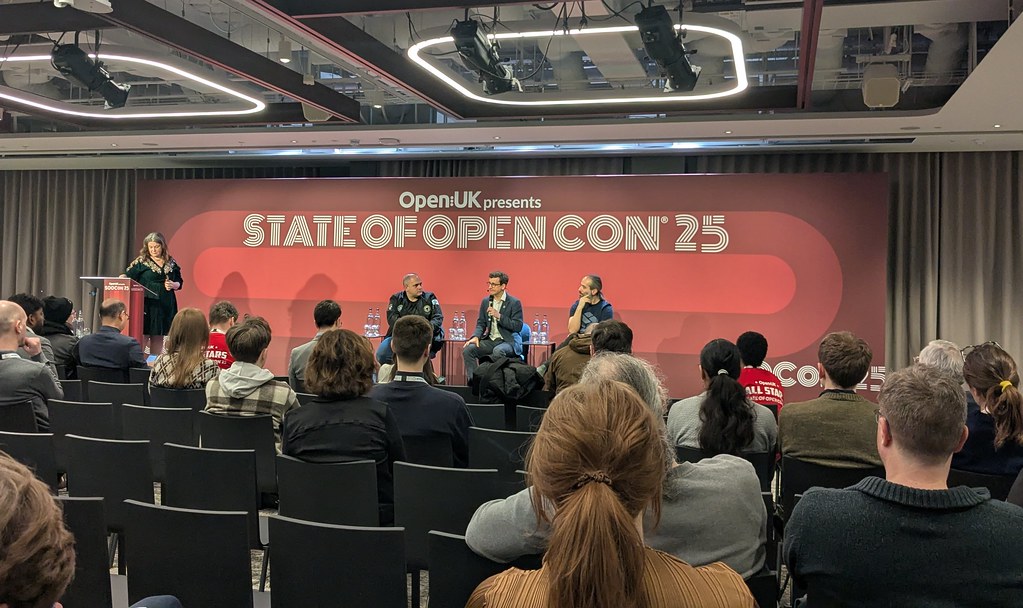
open source AI is at the forefront of technology discussions today. Hugging Face’s policy chief sheds light on the associated costs, risks, and trade-offs involved in this rapidly evolving field.
Understanding Open Source AI
Open source AI has emerged as a significant player in the technology landscape, offering developers and researchers the ability to collaborate and innovate freely. It provides access to a wide range of tools and models that can be utilized for various applications without the constraints of proprietary software.
However, understanding the implications of open source AI is essential for organizations considering its adoption. Below are some key aspects to consider:
- Cost Efficiency: Open source AI can reduce costs associated with licensing and development, allowing teams to focus resources on enhancing their projects.
- Community Support: A vibrant community surrounds many open source AI projects, providing support, updates, and collaborative opportunities.
- Customization and Flexibility: Organizations can modify open source software to suit their specific needs, enabling tailored solutions.
- Security Risks: While open source AI can be scrutinized for vulnerabilities, it is crucial to assess the risks associated with code that is publicly available.
Ultimately, the decision to embrace open source AI should be weighed against these factors to ensure a balance between innovation and risk management.
The Costs of Open Source AI
The costs associated with open source AI can vary significantly, depending on several factors, including infrastructure, data management, and community involvement. Organizations must consider the following:
- Infrastructure Costs: Utilizing open source AI often requires substantial computing resources. Companies may need to invest in robust hardware or cloud services to support their projects.
- Data Acquisition and Management: High-quality datasets are crucial for training effective AI models. The costs of acquiring, cleaning, and maintaining data can add up quickly.
- Talent Acquisition: Hiring skilled professionals who understand open source AI tools and frameworks is essential. This expertise can be costly and may lead to increased operational expenses.
- Long-term Support and Maintenance: While open source AI projects can reduce initial costs, ongoing maintenance, updates, and community engagement require continuous investment.
In summary, while open source AI presents unique opportunities, organizations must be prepared for potential financial commitments and resource allocation to fully leverage its benefits.
Risks Involved with Open Source AI
As organizations increasingly adopt open source AI, it is essential to understand the inherent risks involved. While the freedom to modify and distribute software can foster innovation, it also comes with significant concerns that need to be addressed.
- Security Vulnerabilities: Open source projects can be susceptible to security flaws, which may be exploited by malicious actors. Organizations must remain vigilant in identifying and patching these vulnerabilities.
- Support and Maintenance: Relying on community support can be unpredictable. Unlike proprietary software, where dedicated support is readily available, open source AI may lack timely assistance for critical issues.
- Compliance and Licensing: Navigating the various licenses associated with open source projects can be complex. Organizations must ensure they comply with legal obligations to avoid potential lawsuits.
- Quality Control: The quality of open source AI solutions can vary significantly. Without rigorous testing, organizations may encounter unreliable models that do not meet their needs.
Awareness of these risks is crucial for any organization considering the adoption of open source AI technologies.
Trade-offs in AI Development
The development of open source AI presents a unique set of trade-offs that must be carefully considered by organizations. These trade-offs often revolve around the balance between innovation, cost, and risk management.
One significant advantage of open source AI is the ability to leverage community-driven advancements. This collaborative environment fosters rapid innovation but can lead to inconsistencies in quality and support. Organizations must weigh the benefits of access to cutting-edge technology against the potential challenges of integrating these tools effectively.
Additionally, while open source solutions can reduce initial costs, ongoing expenses related to maintenance, security, and compliance can accumulate over time. Companies may find themselves investing more than expected to ensure their open source AI systems are robust and secure.
Furthermore, the lack of centralized control in open source projects can introduce risks, such as the potential for unanticipated vulnerabilities or ethical dilemmas. As a result, businesses must carefully evaluate whether the advantages of open source AI outweigh these inherent risks.
Insights from Hugging Face
In a recent discussion, Hugging Face’s policy chief highlighted several key insights regarding open source AI. The company, known for its commitment to transparency and collaboration, emphasized the importance of community engagement in the development of AI technologies. They noted that while open source AI can drive innovation, it also brings specific challenges that developers must navigate.
One of the primary concerns raised was the balance between accessibility and security. “With open source AI, we must be vigilant about the potential misuse of technology,” the policy chief stated. This sentiment reflects a growing awareness within the AI community about the ethical implications of accessible tools.
Furthermore, Hugging Face pointed out that fostering a robust ecosystem around open source AI involves not only sharing code but also providing resources for education and support. They believe that by empowering users, the entire community benefits and can contribute to safer, more responsible AI deployment.
In conclusion, while the allure of open source AI is undeniable, it is crucial to consider the associated risks and responsibilities that come with it.
The Future of Open Source AI
The future of open source AI holds immense potential, as it continues to democratize access to advanced technologies. With the increasing collaboration among developers, researchers, and organizations, we can expect a surge in innovative applications that leverage the power of AI.
As more contributors join the open source community, the collective knowledge and resources available will expand, driving rapid advancements in the field. This collaborative spirit not only fosters creativity but also encourages responsible AI practices, as diverse perspectives contribute to more ethical decision-making.
However, the future is not without its challenges. The sustainability of open source AI projects depends on adequate funding and support from both public and private sectors. Additionally, navigating the complexities of intellectual property and ensuring proper governance will be crucial for the long-term viability of these initiatives.
Ultimately, the future of open source AI will be shaped by our ability to balance risks and costs while maximizing the benefits of collaboration. As we move forward, embracing these principles will help unlock the true potential of artificial intelligence for all.
Best Practices for AI Policy
As organizations increasingly adopt open source AI technologies, establishing a robust AI policy is essential to navigate the associated risks and costs effectively. Here are some best practices to consider:
- Transparency: Ensure transparency in AI development processes to build trust among users and stakeholders. This involves clear communication about how models are trained and the data used.
- Ethical Guidelines: Develop ethical AI guidelines that outline the principles guiding AI usage, including fairness, accountability, and respect for privacy.
- Compliance: Stay informed about legal and regulatory requirements related to AI deployment, ensuring that all practices adhere to relevant laws.
- Community Engagement: Engage with the open source community to foster collaboration, gather feedback, and stay updated on best practices and emerging challenges.
- Risk Assessment: Conduct regular risk assessments to identify potential vulnerabilities in AI systems and implement measures to mitigate them.
By adhering to these best practices, organizations can navigate the complexities of open source AI while maximizing its benefits.
By psd via Openverse