



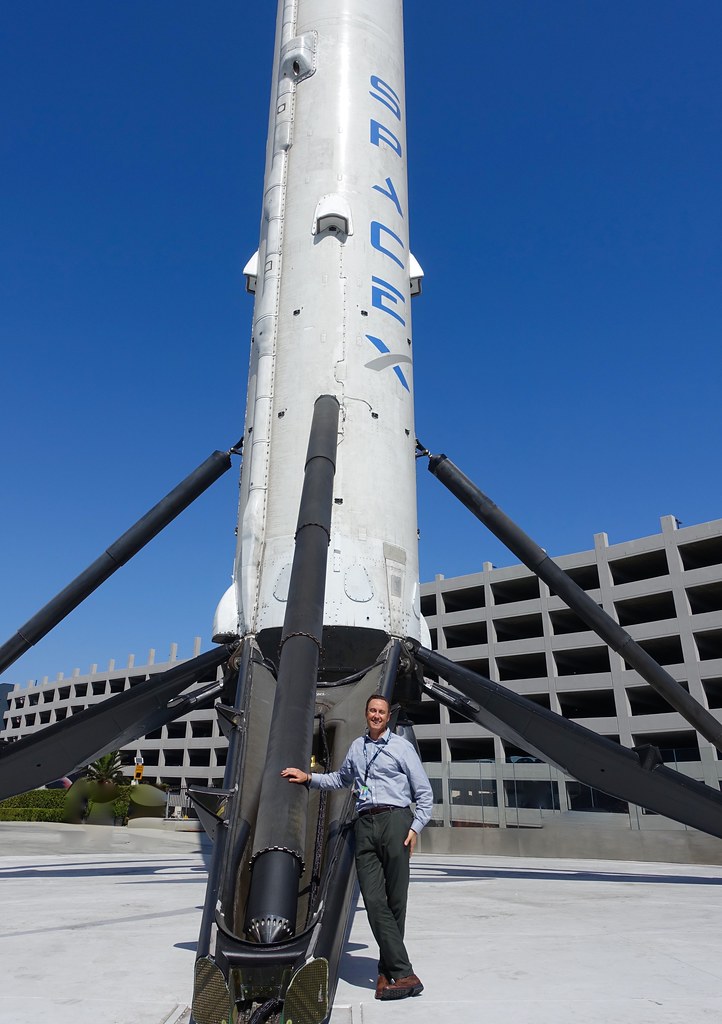
SpaceX satellite approval is a significant milestone for the future of AI computing. With the FCC’s recent endorsement, SpaceX plans to launch 1 million orbital data center satellites by November 2026.
Overview of SpaceX’s Satellite Plans
SpaceX has recently received FCC approval for an ambitious project involving the deployment of up to 1 million satellites. This initiative aims to establish a network of orbital data centers that will support advanced AI computing capabilities by November 2026. The approval marks a significant milestone in SpaceX’s satellite plans, positioning the company to enhance global internet coverage and data processing efficiency.
The planned constellation is designed to facilitate rapid data transfer and improve connectivity for various applications, including machine learning and artificial intelligence. With this SpaceX satellite approval, the company is set to revolutionize how data centers operate in space, leveraging cutting-edge technology to meet the growing demands of the digital age.
Key benefits of this initiative include:
- Enhanced global internet coverage
- Increased data processing capabilities
- Support for innovative AI applications
The Role of FCC in Satellite Approvals
The Federal Communications Commission (FCC) plays a crucial role in the approval process for satellite deployments, significantly impacting the landscape of satellite communications and data services. Recently, the FCC granted SpaceX the necessary approval for its ambitious plan to launch 1 million satellites into orbit. This decision marks a pivotal moment in the development of AI data centers, as these satellites will serve as vital infrastructure to support advanced computing capabilities.
In evaluating satellite applications, the FCC considers various factors, including:
- Interference Management: Ensuring that new satellites do not disrupt existing communication systems.
- Space Debris Mitigation: Implementing strategies to minimize the risk of generating space debris.
- Technological Innovation: Encouraging advancements that enhance satellite functionality.
The approval of SpaceX’s satellite initiative lays the groundwork for a future where AI-powered applications thrive, showcasing the vital role of the FCC in facilitating groundbreaking technological progress.
Impact on AI Computing Industry
The recent SpaceX satellite approval has significant implications for the AI computing industry. By gaining authorization for 1 million orbital data center satellites, SpaceX is set to revolutionize how data is processed and transmitted globally. This ambitious initiative aims to enhance connectivity and provide robust infrastructure for AI applications.
Industry experts believe that the deployment of these satellites will:
- Reduce latency: Faster data transmission will enable real-time processing for AI algorithms.
- Increase accessibility: With improved satellite coverage, remote areas will gain access to advanced AI technologies.
- Boost capacity: The sheer number of satellites will significantly enhance data handling capabilities, supporting more complex AI tasks.
As AI continues to evolve, the infrastructure provided by these satellites could be pivotal in driving innovation and expanding opportunities across various sectors.
Challenges Ahead for SpaceX
Despite the recent SpaceX satellite approval, the company faces several challenges as it embarks on its ambitious plan to deploy one million orbital data center satellites.
First, the technical complexities involved in launching and maintaining such a vast number of satellites cannot be underestimated. SpaceX must ensure that each satellite operates effectively and can communicate seamlessly with ground-based systems.
Additionally, regulatory hurdles may still arise from various international bodies concerned about space debris and the sustainability of low Earth orbit. Engaging with global regulatory agencies will be essential to address these concerns.
Furthermore, competition in the satellite internet and AI data sectors is intensifying, with other companies vying for market share. SpaceX will need to demonstrate not only the feasibility of their plans but also the reliability of their technology to stand out in a crowded field.
Timeline for Satellite Deployment
The timeline for the deployment of SpaceX’s satellite network is crucial for the future of AI data centers. Following the recent SpaceX satellite approval by the Federal Communications Commission (FCC), the company is set to launch a vast constellation of satellites aimed at enhancing global data connectivity.
The deployment is planned to unfold in several phases:
- Phase 1: Initial satellite launches scheduled for late 2024, focusing on testing and validation of satellite capabilities.
- Phase 2: Expansion of the satellite network, aiming for a total of 500 satellites operational by mid-2025.
- Phase 3: Full-scale deployment, with the goal of achieving 1 million satellites by November 2026 to support AI data processing needs.
This ambitious timeline reflects SpaceX’s commitment to revolutionizing the AI computing landscape through enhanced satellite technology.
Public Response to SpaceX’s Announcement
The recent announcement of SpaceX’s satellite approval has sparked a wave of public interest and debate. Many individuals and organizations are expressing their thoughts on the implications of this groundbreaking initiative. A variety of perspectives have emerged, highlighting both excitement and concerns.
- Support for Innovation: Proponents of the initiative argue that SpaceX’s satellite approval will significantly enhance AI data processing capabilities, leading to advancements in various sectors.
- Environmental Concerns: Critics are voicing worries about potential space debris and the environmental impact of launching such a high volume of satellites.
- Regulatory Scrutiny: Some experts are calling for more stringent regulations to ensure that the deployment of these satellites aligns with global standards.
- Public Awareness: There is a growing demand for transparency from SpaceX regarding the operational aspects of the satellites.
As the timeline for deployment approaches, the public’s response will likely continue to evolve.
Future of Space-Based Data Centers
The recent SpaceX satellite approval marks a significant milestone in the development of space-based data centers. With the green light from the FCC, the company plans to deploy a staggering number of satellites designed to facilitate advanced AI computing capabilities. This initiative is expected to revolutionize data processing by leveraging the vastness of space to enhance speed and efficiency.
Experts believe that the integration of these satellites will lead to:
- Increased data storage capacity, accommodating the growing demand for AI applications.
- Reduced latency in data transmission, crucial for real-time AI operations.
- Enhanced security and redundancy, minimizing data loss risks.
As SpaceX moves forward with its ambitious plans, the potential for innovation in AI and other tech sectors seems boundless, setting the stage for a new era in computing.
The recent SpaceX satellite approval marks a significant milestone in the expansion of AI data centers across the globe. With the SpaceX satellite approval now in place, companies can leverage enhanced connectivity for their data-driven applications.
By jurvetson via Openverse
References
Related stories
HyperOS 4 rollout: Best proven update for Xiaomi 17 Ultra · PS Plus Essential Update: The Best Improvement in Japan · Pakistan-China space mission: A Clear New Era of Cooperation