
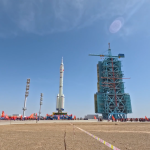
Pakistan-China space mission is set to revolutionize cooperation between the two nations, as Ahsan Iqbal highlights the potential benefits and advancements.
Overview of the Pakistan-China Space Mission
The recent announcement of the Pakistan-China space mission marks a significant milestone in bilateral cooperation between the two nations. This collaborative effort aims to enhance technological development and scientific research, positioning both countries at the forefront of space exploration.
According to Ahsan Iqbal, the Minister for Planning, Development, and Special Initiatives, this mission represents a clear new era of cooperation, emphasizing the importance of joint ventures in advancing knowledge and capabilities in the space sector.
The objectives of the Pakistan-China space mission include:
- Conducting joint research projects to explore the potential of space resources.
- Developing advanced satellite technologies to improve communication and data collection.
- Enhancing educational and training opportunities for scientists and engineers in both countries.
This collaboration is expected to foster innovation and drive economic growth through the development of new technologies. As both nations work together, the Pakistan-China space mission is seen as a pivotal step towards strengthening their strategic partnership while contributing to global scientific endeavors.
With plans firmly in place, the future looks promising for this joint initiative, reinforcing the commitment of both nations to explore new frontiers in space.
Significance of International Space Cooperation
The Pakistan-China space mission symbolizes a significant leap towards fostering international collaboration in space exploration. This partnership not only enhances bilateral ties but also paves the way for multiple advancements in science and technology.
International space cooperation holds profound implications for participating nations, including:
- Innovation and Research: Collaborative efforts encourage the sharing of knowledge and resources, leading to groundbreaking research in areas such as satellite technology and astrophysics.
- Economic Benefits: Joint missions can drive economic growth by creating high-tech jobs and stimulating local industries associated with space technology.
- Geopolitical Stability: A united front in space can foster diplomatic relations, reducing tensions and promoting peace among nations.
- Education and Skill Development: Such missions inspire the next generation of scientists and engineers, providing essential training and educational opportunities in both countries.
Moreover, the Pakistan-China space mission is expected to enhance the countries’ capabilities in addressing global challenges, such as climate change and disaster management, by harnessing data from space. This cooperation not only marks a new era but also reaffirms the commitment of both nations to work together for a better future.
Ahsan Iqbal’s Vision for Future Collaborations
Ahsan Iqbal, the Minister for Planning, Development, and Special Initiatives, has emphasized the transformative potential of the Pakistan-China space mission. He articulated a vision that aims to foster a dynamic partnership between the two nations, elevating their collaborative efforts in the realm of space exploration and technology.
During a recent press conference, Iqbal outlined several key areas where collaboration can be enhanced:
- Research and Development: Both countries can work together to innovate and develop new technologies that could benefit not only their space programs but also other sectors such as telecommunications and agriculture.
- Education and Training: Iqbal highlighted the importance of training Pakistani scientists and engineers in advanced space technologies, which could pave the way for a new generation of experts in the field.
- Joint Missions: Future collaborations could include joint space missions that leverage the strengths of both nations, creating opportunities for shared discoveries and advancements.
By investing in these areas, Iqbal believes that the Pakistan-China space mission will not only strengthen bilateral ties but also position both countries as key players in the global space community.
Technological Advancements Expected from the Mission
The upcoming Pakistan-China space mission is expected to drive significant technological advancements that could benefit both nations. Ahsan Iqbal highlighted the potential for collaborative innovations in various fields, emphasizing the importance of joint research and development.
Among the anticipated advancements are:
- Satellite Technology: Improved satellite systems for communication, weather forecasting, and environmental monitoring, which can enhance overall operational efficiency.
- Space Exploration: Enhanced capacities for exploring and utilizing space resources, paving the way for future missions and scientific experiments.
- Data Processing: Development of advanced algorithms and software for analyzing vast amounts of data collected from space instruments.
- Engineering Skills: Increased expertise in aerospace engineering, which will foster skill development among local scientists and engineers.
Furthermore, this mission is poised to strengthen the technological frameworks of both countries, allowing for a more seamless integration of research efforts. By pooling resources and knowledge, Pakistan and China aim to bolster their positions in the global space community. As Iqbal stated, this mission marks not just a collaboration but a transformative journey into the future of technology and innovation.
Impact on Regional and Global Space Programs
The Pakistan-China space mission is poised to have significant implications not only for the two nations involved but also for regional and global space programs. As both countries deepen their collaboration, they set a precedent for other nations in the region, encouraging them to explore similar partnerships in space exploration and technology.
One of the immediate impacts is expected to be an increase in knowledge sharing among countries engaged in space research. The mission will likely inspire neighboring countries to invest in their own space capabilities and foster cooperative projects, creating a ripple effect throughout Asia.
Moreover, this collaboration may enhance Pakistan’s standing in the international space community. By aligning with a major player like China, Pakistan can gain access to advanced technologies and expertise, which could lead to substantial advancements in satellite communications, earth observation, and scientific research.
In a broader context, the Pakistan-China space mission emphasizes the importance of collective efforts in addressing global challenges, such as climate change and disaster management. By integrating various regional perspectives into space programs, both nations can contribute to a more coordinated international response.
Ultimately, the mission signifies a new era of cooperation that could redefine the dynamics of space exploration, paving the way for collaborative innovations that benefit not only Pakistan and China but also the global community.
Challenges and Opportunities Ahead
The Pakistan-China space mission presents both significant challenges and opportunities as the two nations embark on this ambitious journey. One of the primary challenges is the need for enhanced technological synchronization between the two countries. Ensuring that systems and protocols are compatible will be crucial for the mission’s success.
Additionally, securing funding and resources remains a concern. Both nations must navigate their respective economic landscapes to allocate sufficient budgets for the mission, which is essential for achieving long-term objectives.
However, the opportunities arising from this collaboration are substantial. This mission could serve as a catalyst for further joint projects in various fields, including telecommunications and environmental monitoring. By pooling resources and expertise, Pakistan and China can accelerate advancements in space technology.
Moreover, the partnership is poised to foster a spirit of innovation and inspire future generations of scientists and engineers in both countries. Educational exchanges and joint research initiatives could emerge, creating a more robust framework for scientific collaboration.
In conclusion, while challenges exist, the potential benefits of the Pakistan-China space mission are profound, paving the way for a new era of cooperation and shared progress in space exploration.
Conclusion: The Future of Space Exploration
As the Pakistan-China space mission embarks on its ambitious journey, the conclusion drawn from this collaborative effort marks a pivotal moment in the realm of space exploration. The partnership not only signifies a strengthening of ties between the two nations but also sets a precedent for future international collaborations.
Moving forward, the integration of resources and expertise between Pakistan and China is poised to yield significant advancements in technology and scientific research. This mission acts as a catalyst for other nations to consider similar partnerships, emphasizing the importance of shared knowledge in overcoming complex challenges faced in space exploration.
Moreover, the initiative opens doors to new opportunities in various sectors, including education, innovation, and industry. By nurturing a culture of scientific inquiry and technological advancement, both countries can inspire the next generation of scientists and engineers.
As Ahsan Iqbal highlighted, this mission represents more than just a technological endeavor; it is a commitment to fostering international peace and cooperation through shared goals. The future of space exploration may very well depend on collaborative efforts like the one between Pakistan and China, paving the way for a united approach to exploring the final frontier.
By This SVG map is created by Sbb1413. All SVG maps created by him are released under the {{CC-BY 4.0}} license unless otherwise noted. Derived works are released under the same license as original. via Openverse