





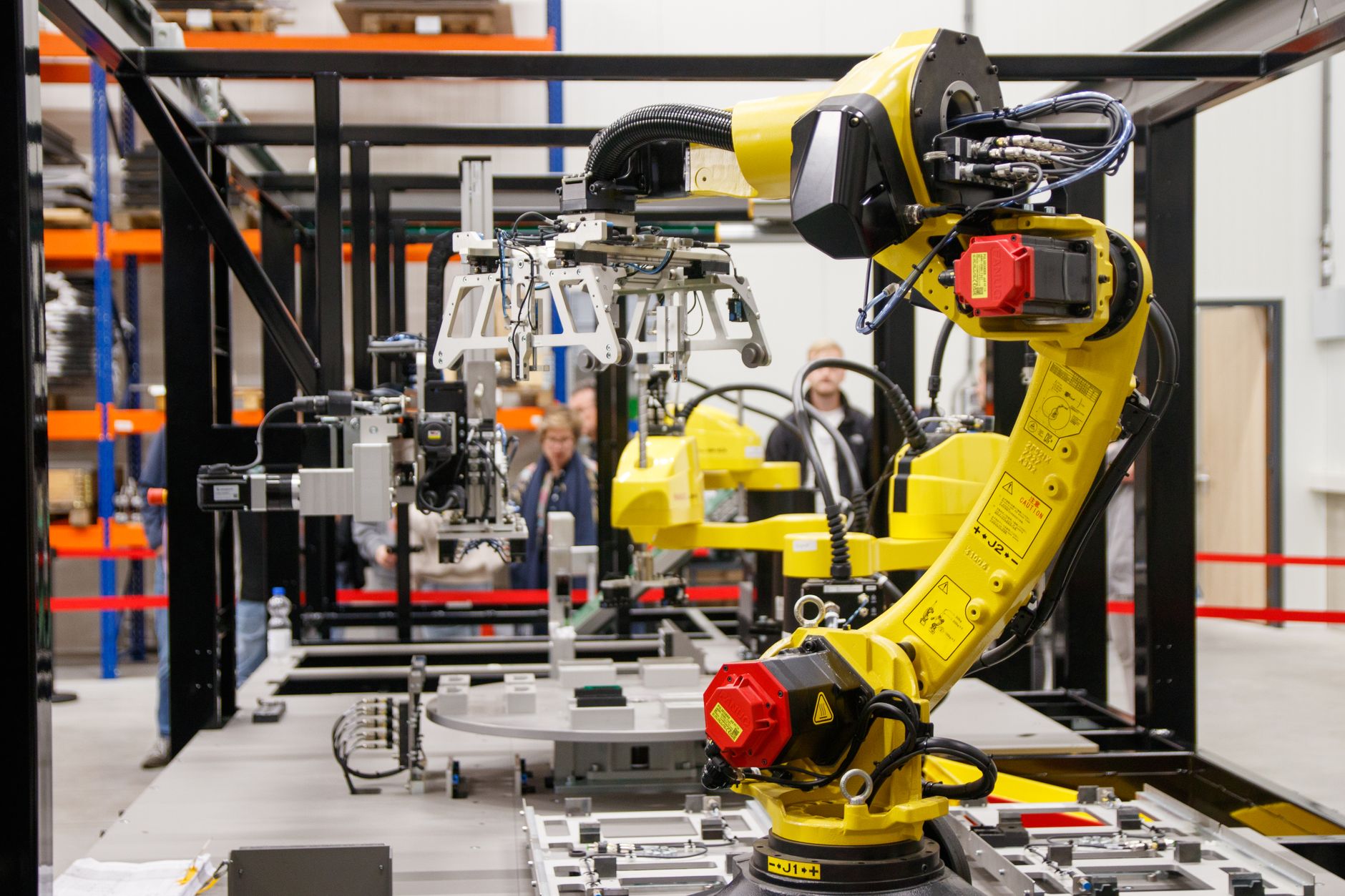
Robot assembles satellite structures in space, marking a significant milestone in autonomous technology. This groundbreaking achievement demonstrates how robots can operate efficiently without human intervention, paving the way for future advancements in space exploration.
The Role of Robots in Space Missions
In recent years, the role of robots in space missions has evolved significantly, leading to remarkable advancements in technology and efficiency. One of the most notable innovations is the use of robotic systems that can autonomously assemble satellite structures in space, eliminating the need for human intervention.
These robotic assemblers are designed to perform complex tasks that require precision and coordination. They can work in environments where human presence is limited or impossible, such as the vacuum of space. This capability allows for:
- Increased Safety: By deploying robots to carry out assembly tasks, the risks associated with human spacewalks are minimized.
- Enhanced Efficiency: Robots can operate continuously without the fatigue that human workers experience, significantly speeding up the assembly process.
- Cost Reduction: Utilizing robots can lower operational costs by reducing the number of manned missions required for satellite deployment.
Moreover, the development of autonomous robotic systems is paving the way for future space exploration missions. As technology continues to advance, the potential for robots to assemble satellites and other structures in space will become increasingly vital, marking a proven leap in space tech.
How Robots Assemble Satellites
In recent advancements in space technology, the ability of a robot to assemble satellite structures autonomously has marked a significant milestone. This innovative approach to satellite assembly offers numerous benefits over traditional methods, which often require extensive human intervention.
The process of how robots assemble satellites involves several key steps:
- Design and Programming: Engineers create detailed designs and program the robots to execute specific tasks with precision.
- Autonomous Navigation: Using advanced sensors and AI, robots navigate the assembly area in space, avoiding obstacles and ensuring optimal positioning.
- Component Handling: Robots are equipped with specialized tools to handle various satellite components, ensuring safe and secure assembly.
- Quality Control: Throughout the assembly process, robots perform real-time checks to maintain quality standards, reducing the risk of errors.
This method not only enhances efficiency but also minimizes the risks associated with human presence in space. By utilizing robots to assemble satellites, space agencies can significantly cut down on mission costs and timelines. As technology continues to evolve, the prospect of robots assembling satellites may soon become the standard practice in the aerospace industry, paving the way for more ambitious space explorations.
Robot Assembles Satellite: Key Benefits
The recent advancements in robotics have led to significant breakthroughs in space technology, particularly with the ability of a robot to assemble satellites autonomously. This innovation brings several key benefits to the aerospace industry.
- Increased Efficiency: By utilizing robots in satellite assembly, the process can be expedited, reducing the overall time required to complete complex tasks. This allows for quicker deployment of satellites into orbit.
- Cost-Effectiveness: Automating the assembly process minimizes labor costs and the need for extensive human oversight. As a result, organizations can allocate resources more effectively.
- Enhanced Precision: Robots are designed to perform tasks with high accuracy, which reduces the risk of errors during assembly. This precision is crucial for ensuring that satellites function as intended once deployed.
- Safety Improvements: Conducting assembly tasks in space can be dangerous for human astronauts. By using a robot to assemble satellites, the risks associated with human presence in space are significantly lowered.
- Scalability: As technology progresses, robots can be programmed to handle increasingly complex assemblies, allowing for the creation of larger and more advanced satellites.
Overall, the ability of a robot to assemble satellites represents a significant leap forward in space technology, paving the way for future explorations and innovations.
Challenges Faced in Space Robotics
The advent of robotics in space exploration has not been without its challenges. The process of a robot assembling a satellite presents unique hurdles that engineers and scientists continue to navigate.
- Technical Limitations: Designing robots that can function effectively in the harsh conditions of space is a significant challenge. The extreme temperatures, radiation, and vacuum require specialized materials and engineering.
- Precision and Accuracy: A robot assembles a satellite with a level of precision that is critical to its success. Any errors in assembly can lead to mission failure, making it essential for robots to perform flawlessly under pressure.
- Communication Delays: The distance between Earth and space creates communication delays that can hinder real-time problem-solving. Robots must be capable of autonomous operation to overcome this challenge.
- Maintenance and Repair: Once deployed, maintaining robotic systems in space poses a significant challenge. Ensuring that robots can perform self-repairs or adapt to unexpected issues is critical for long-term missions.
Despite these challenges, advancements in technology continue to support the evolution of space robotics. As robots assemble satellites with increasing efficiency, they pave the way for future exploration and innovation in the cosmos.
Future of Autonomous Satellite Assembly
The future of autonomous satellite assembly looks promising, as advancements in robotics continue to reshape space exploration. With the success of the recent mission where a robot assembles satellite structures in space without human intervention, the industry is poised for transformative changes.
Experts predict that as technology evolves, we will see an increase in the use of autonomous robots for complex satellite assembly processes. This shift will not only enhance efficiency but also reduce costs associated with human labor and transportation of materials to space.
Several key trends are emerging in this sector:
- Improved AI Algorithms: Enhanced artificial intelligence will allow robots to make real-time decisions during assembly, adapting to unforeseen challenges.
- Modular Designs: Future satellites are expected to feature modular components that can be assembled in space, maximizing the potential of robotic systems.
- Collaboration with Humans: While robots will play a crucial role, human oversight will remain vital, ensuring that operations are safe and efficient.
As we look ahead, the integration of advanced robotics in satellite assembly could lead to unprecedented capabilities in space exploration, allowing for faster deployment of satellite constellations and innovative technologies that were once thought to be far-fetched.
Impact on Space Exploration
The impact of robots that assemble satellites is poised to revolutionize space exploration in several significant ways. As these autonomous systems become more sophisticated, they enable a new era of efficiency and precision in satellite construction.
One major advantage is the reduction of costs associated with satellite deployment. By employing robots for assembly, space agencies can minimize the need for extensive human involvement and the associated training and support. This shift could lead to shorter timelines and lower budgets for launching new satellites, allowing for more frequent missions.
Moreover, robots that assemble satellites can operate in environments that are challenging or dangerous for humans. This capability not only enhances safety but also allows for the assembly of larger and more complex structures in space. For instance, satellites can be constructed in orbit, reducing the limitations imposed by Earth’s atmosphere and gravity.
Additionally, the use of robots in satellite assembly can lead to increased collaboration among international space agencies. Sharing robotic technology and expertise can foster innovation and inspire joint missions, paving the way for future exploration endeavors.
In conclusion, the integration of robots in satellite assembly is a transformative development that promises to enhance the efficiency and capabilities of space exploration, ultimately pushing the boundaries of what is possible in the cosmos.
The recent success of the mission demonstrates how a robot assembles satellite components with precision that surpasses human capabilities. As space agencies look to the future, the role of a robot assembles satellite will become increasingly vital in reducing costs and increasing efficiency.
Photo by Freek Wolsink on Pexels