








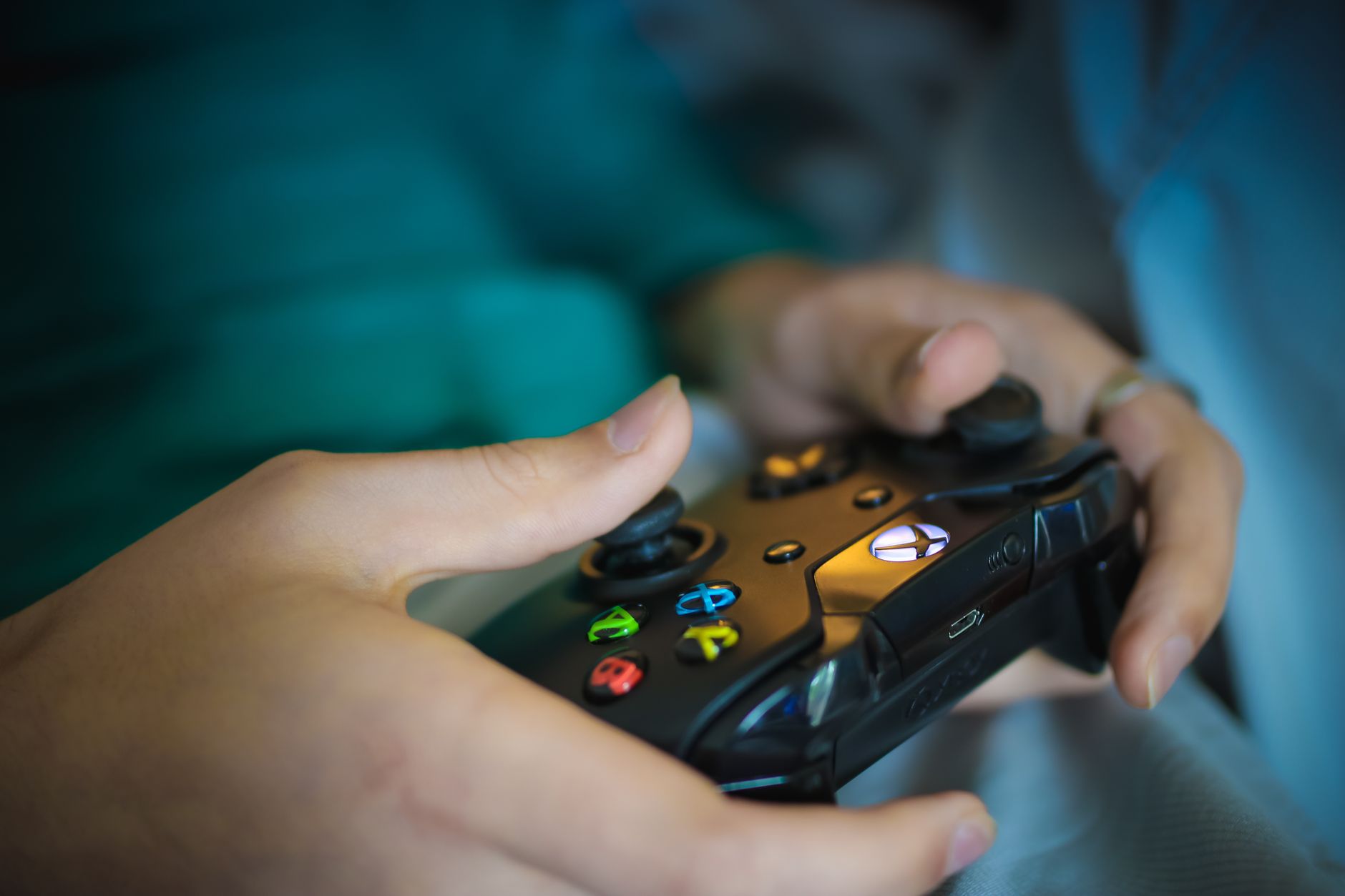
video game ownership is crucial for gamers today, and recent legislative efforts aim to secure these rights. Rep. Ritchie Torres has announced a new bill to ensure that if you pay for a game, you truly own it.
Understanding Video Game Ownership
Video game ownership has become a critical topic in the digital age, as more gamers are investing in virtual titles and platforms. Understanding the nuances of video game ownership is essential for consumers who want to safeguard their rights as purchasers.
Traditionally, owning a physical copy of a game meant possessing a tangible item that could be traded, sold, or gifted. However, with the rise of digital downloads, the definition of ownership has evolved. Many players are discovering that purchasing a game digitally may not grant them the same rights they would have with a physical copy.
- Licensing vs. Ownership: Most digital games are sold under a licensing agreement, meaning players do not own the game outright but instead have the right to access it under specific conditions.
- Access and Restrictions: Digital platforms often impose restrictions on how games can be used, shared, or resold, raising questions about the true nature of video game ownership.
- Legislative Efforts: Recent initiatives, such as those announced by Rep. Ritchie Torres, aim to clarify ownership rights and protect consumers from potential abuses in the marketplace.
Players should stay informed about their rights regarding video game ownership, especially as technology continues to change the gaming landscape. Understanding these principles can help consumers make more informed decisions when purchasing their favorite titles.
The Importance of Ownership Rights
In the rapidly evolving landscape of digital entertainment, video game ownership has become a crucial topic for players, developers, and lawmakers alike. The rise of digital downloads and online services has made it easier than ever to access games, but it has also raised significant questions about the rights of consumers.
Ownership rights in the realm of video games are paramount for several reasons:
- Consumer Protection: When players purchase a game, they expect to have full ownership rights. This includes the ability to play, resell, or transfer the game as they see fit.
- Investment in Creativity: Game developers invest significant time and resources into creating engaging experiences. Ensuring players have ownership rights encourages continued investment in innovative titles.
- Preservation of Culture: Video games are an integral part of modern culture. Protecting ownership rights helps preserve the history and legacy of gaming for future generations.
- Equality in Access: Establishing clear ownership rights ensures that all players, regardless of their platform or purchasing method, have equal access to their purchased content.
As Rep. Ritchie Torres emphasizes, “If you pay for it, you own it.” This principle is foundational to fostering a fair and vibrant gaming environment, ensuring that players can fully enjoy their investments without fear of losing access or control.
Legislation Overview by Rep. Torres
In a recent announcement, Representative Ritchie Torres introduced groundbreaking legislation aimed at safeguarding video game ownership rights for consumers. This move comes in response to growing concerns over digital content ownership and the rights of players in an increasingly digital marketplace.
The legislation emphasizes the principle that if consumers pay for a video game, they should have full ownership rights over that product. As digital downloads and online subscriptions become more prevalent, many players have expressed frustration over restrictive licensing agreements that limit their ability to transfer or resell games.
Rep. Torres stated, “If you pay for it, you own it.” This statement encapsulates the essence of the proposed law, which seeks to establish clear guidelines for ownership rights in the gaming industry. The legislation aims to:
- Ensure that consumers retain full rights to their purchased video games.
- Prevent companies from imposing unnecessary restrictions on the use and resale of games.
- Encourage fair practices within the gaming industry, promoting transparency and accountability.
By addressing these key issues, Rep. Torres’ legislation represents a significant step toward protecting video game ownership and empowering consumers in the gaming market. The proposal is expected to initiate discussions among lawmakers, industry stakeholders, and gaming communities about the future of digital ownership rights.
Impact on Gamers and Developers
The ongoing discourse surrounding video game ownership has profound implications for both gamers and developers. As the industry evolves, the definition and rights associated with ownership are becoming increasingly complex. Gamers often invest significant time and money into their collections, making the assurance of ownership rights vital for their experience.
For gamers, the impact of shifting ownership rights is particularly significant. Many players feel a sense of entitlement over the games they purchase, believing that their investment should grant them full control. However, with the rise of digital distribution and online services, the concept of ownership is often blurred. As Rep. Ritchie Torres emphasized, “If you pay for it, you own it.” This statement resonates with gamers who seek clarity and legal protection in their rights.
From the developers’ perspective, the implications of ownership rights can be equally challenging. While they aim to protect their intellectual property and ensure fair compensation, they also rely on a loyal customer base that feels valued. Striking a balance between protecting their creations and respecting consumer rights is essential for fostering a healthy gaming ecosystem.
Both parties must navigate these evolving landscapes, ensuring that video game ownership is clearly defined and respected. By doing so, the industry can thrive, fostering innovation while safeguarding the interests of gamers and developers alike.
Future of Gaming Ownership
The future of gaming ownership is evolving rapidly as both technology and consumer expectations shift. With the increasing prevalence of digital downloads and online marketplaces, questions surrounding video game ownership are more pertinent than ever. As gamers continue to invest in digital content, the need for clear definitions of ownership rights becomes critical.
Many industry experts predict that the landscape of video game ownership will see significant changes in the coming years. Key trends include:
- Increased Legislation: Following the recent announcement by Rep. Ritchie Torres, there may be more congressional efforts aimed at solidifying ownership rights for consumers. This could lead to clearer legal standards regarding the purchase and resale of digital games.
- Emergence of Blockchain Technology: Blockchain may offer solutions for verifying ownership and authenticity of digital games. This technology could allow gamers to retain true ownership of their purchases, even when the platforms change.
- Consumer Advocacy: As gamers become more vocal about their rights, advocacy groups are likely to emerge, pushing for fair policies and practices that protect ownership rights in the gaming industry.
Ultimately, the future of video game ownership hinges on a balance between innovation and the rights of consumers. As the gaming community continues to grow, the conversation around ownership will be crucial in shaping a fair and equitable landscape for all players.
Photo by Pixabay on Pexels