








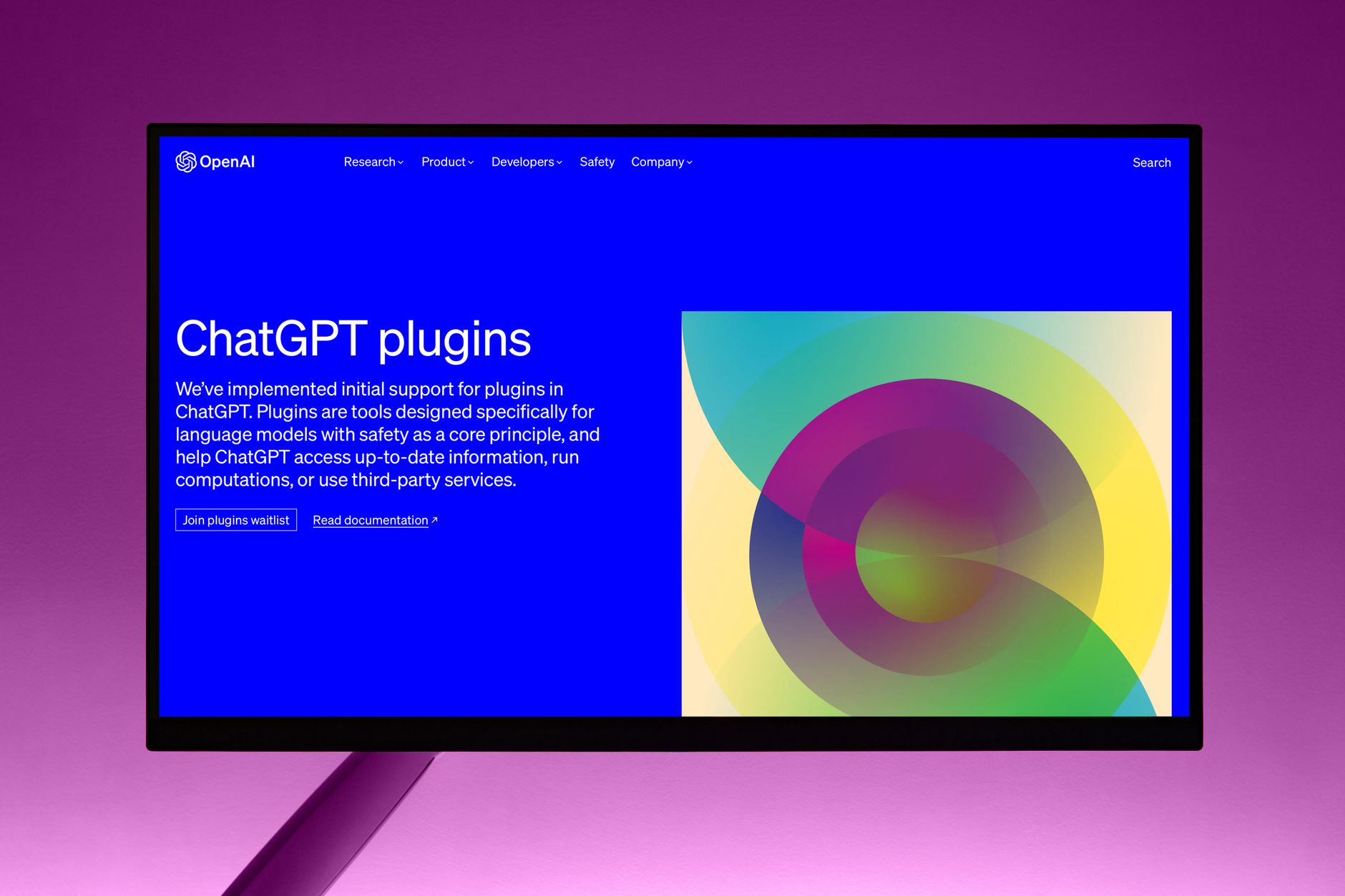
OpenAI Anthropic models have been launched on the same day, but their cost-cutting focus may leave them behind in the competitive consumer AI agent race.
Overview of OpenAI and Anthropic
OpenAI and Anthropic are two leading organizations in the field of artificial intelligence, both recently unveiling new models that have generated significant attention. The simultaneous launch of these models signifies a competitive landscape where innovation is crucial. However, both companies appear to be adopting a cost-cutting strategy that could have long-term implications for their position in the consumer AI agent market.
OpenAI has been known for its groundbreaking work in natural language processing, while Anthropic, founded by former OpenAI employees, aims to prioritize safety and ethical considerations in AI development. Both organizations are at the forefront of AI research, yet their recent approaches raise questions about sustainability and efficacy.
While cost-cutting measures may seem beneficial in the short term, they can jeopardize the quality and performance of their models. In a rapidly evolving industry, where user expectations are high, the impact of these strategies could be detrimental. The reliance on OpenAI Anthropic models that are not fully funded or developed could lead to a stagnation in innovation.
As the competition heats up, consumers may find themselves at a crossroads, forced to choose between the latest offerings from OpenAI and Anthropic, both of which might not live up to their potential. The focus on cost savings over comprehensive development could ultimately leave these companies behind in the consumer AI agent race.
Key Features of New AI Models
The recent launch of new AI models by OpenAI and Anthropic has garnered significant attention in the tech community. Both companies have introduced features aimed at enhancing user experience and performance, yet the focus on cost-cutting strategies has raised concerns about their long-term viability in the competitive AI landscape.
Key features of the new models include:
- Improved Natural Language Understanding: Both OpenAI and Anthropic have made strides in refining their models’ ability to comprehend and generate human-like text, making interactions more fluid and intuitive.
- Multi-Modal Capabilities: The latest iterations support a variety of input formats, allowing users to engage with the models through text, images, and more, enhancing versatility.
- Customization Options: Users can now tailor the model responses based on specific preferences or contexts, which can lead to more relevant and personalized outputs.
- Efficiency Enhancements: Both models boast improvements in speed and resource consumption, though some experts argue these enhancements may come at the expense of depth and accuracy.
While the introduction of these features demonstrates a commitment to innovation, critics caution that the overarching cost-cutting strategy could limit the potential of OpenAI and Anthropic models. The question remains whether these advancements will be enough to maintain their competitive edge in the evolving landscape of consumer AI agents.
Impact of Cost-Cutting Strategies
The recent launch of OpenAI and Anthropic models has raised significant concerns regarding the impact of their cost-cutting strategies. While both companies aim to remain competitive in the rapidly evolving AI landscape, the emphasis on reducing expenses may lead to critical shortcomings in their offerings.
Industry experts argue that prioritizing cost over quality could hinder the performance and functionality of the OpenAI Anthropic models, potentially leaving them behind in the consumer AI agent race. Key areas of concern include:
- Innovation Stagnation: With reduced funding for research and development, the ability to innovate may diminish, leading to models that fail to meet user demands.
- Quality Control: Cost-cutting measures often result in compromised quality, which can affect the reliability and effectiveness of AI outputs.
- Talent Retention: A focus on reducing costs may lead to workforce reductions or dissatisfaction among talented employees, impacting the companies’ ability to attract and retain top talent.
- Market Position: As competitors invest in advanced technologies, the OpenAI and Anthropic models may struggle to keep pace, resulting in a loss of market share.
In the long run, these cost-cutting strategies may prove detrimental, as they could undermine the potential of the newly launched models, jeopardizing their success in a fiercely competitive market.
Consumer AI Agent Market Trends
The landscape of consumer AI agents is rapidly evolving, driven by advancements in technology and shifting market demands. As companies like OpenAI and Anthropic introduce their latest models, the focus on cost-cutting strategies may significantly impact their competitiveness in this burgeoning sector.
Recent trends in the consumer AI agent market indicate a growing preference for models that prioritize efficiency, personalization, and user engagement. The introduction of OpenAI Anthropic models is a response to these trends, but it raises questions about whether their cost-cutting measures will compromise quality.
- Increased Demand for Personalization: Users are seeking AI agents that can tailor responses and actions based on individual preferences, making personalization a critical feature.
- Focus on Integration: Seamless integration with existing platforms and services is becoming essential for consumer adoption, pushing companies to innovate rapidly.
- Ethical Considerations: As AI agents become more prevalent, consumers are increasingly concerned about ethical implications, demanding transparency and accountability from developers.
- Competitive Pricing: With numerous players entering the market, competitive pricing strategies are vital, particularly for consumers who are price-sensitive.
As OpenAI and Anthropic navigate these trends, the effectiveness of their new models—and the long-term sustainability of their cost-cutting strategies—remains to be seen. The race in the consumer AI agent market is on, and every decision will count.
Comparing OpenAI and Anthropic
The competition between OpenAI and Anthropic has intensified as both companies launched their latest models on the same day. This simultaneous release highlights not only their advancements in artificial intelligence but also the differing strategies they employ to navigate the evolving market.
OpenAI, renowned for its large-scale language models, has been pushing the boundaries of what AI can achieve. However, the recent emphasis on cost-cutting strategies raises concerns about the long-term implications for their models. Critics argue that these measures may compromise the quality and reliability that consumers expect from OpenAI.
In contrast, Anthropic appears to prioritize safety and alignment in its AI development. Their models are designed with ethical considerations at the forefront, potentially positioning them as a more trustworthy option in the consumer AI agent market. Nonetheless, the challenge for Anthropic lies in scalability and market penetration, especially as OpenAI continues to dominate with its extensive resources.
As the landscape evolves, both companies will need to address their operational strategies effectively. The following points summarize key differences between OpenAI and Anthropic:
- Focus on Cost-Cutting: OpenAI’s approach may affect model performance.
- Ethical Considerations: Anthropic stresses alignment and safety in AI.
- Market Position: OpenAI leads but faces criticism; Anthropic seeks to establish trust.
Ultimately, the long-term success of OpenAI and Anthropic will depend on their ability to balance innovation with consumer expectations.
Expert Opinions on AI Models
Experts in the field have shared a range of opinions regarding the newly released OpenAI Anthropic models and the implications of their cost-cutting strategies. Many believe that while both companies have made strides in enhancing their AI technologies, the focus on reducing expenses might undermine their competitive edge.
Dr. Emily Carter, an AI researcher at Tech Innovations, stated, “The OpenAI Anthropic models may seem appealing at first glance, but their reliance on cost-cutting could limit long-term performance and innovation.” She emphasized the importance of sustained investment in research and development to ensure that these models do not lag behind rivals.
Conversely, some industry analysts argue that the market demands more affordable solutions. John Wright, a market analyst, noted, “In today’s economy, consumers are looking for cost-efficient AI agents. OpenAI and Anthropic’s models might just hit the right note for budget-conscious organizations.”
However, the consensus among many experts is that prioritizing short-term savings could lead to greater challenges in the future. Linda Yu, an AI ethics specialist, warned, “If these companies continue down this path, they risk becoming obsolete as consumer expectations evolve.”
As the consumer AI agent market continues to grow, the long-term success of the OpenAI Anthropic models will depend on their ability to deliver innovative and effective solutions without compromising quality.
Future of AI Development
The future of AI development is currently overshadowed by the aggressive cost-cutting strategies undertaken by leading organizations like OpenAI and Anthropic. As these companies launch new models, the emphasis on reducing expenses may hinder their innovation potential and overall competitiveness in the rapidly evolving consumer AI agent landscape.
Several factors could influence the trajectory of AI development:
- Investment in Research: A decrease in funding for research and development could slow down advancements in AI capabilities, limiting the potential of OpenAI and Anthropic models.
- Talent Retention: Cost-cutting measures often lead to layoffs or reduced hiring, which can result in a loss of top talent necessary for pushing the boundaries of AI technology.
- Market Competition: With new players constantly entering the market, the ability to innovate quickly and effectively is crucial. The focus on cost reduction may prevent these companies from responding adequately to emerging competitors.
- Consumer Expectations: As users become more discerning, the demand for high-quality AI agents will only increase. Failing to meet these expectations could result in a decline in market share for both OpenAI and Anthropic.
In summary, while the introduction of new models is an exciting development, the long-term implications of current cost-cutting strategies may pose significant challenges for the future of AI development.
Conclusion on AI Launches
As the landscape of artificial intelligence continues to evolve, the recent launches of OpenAI Anthropic models on the same day raise significant concerns regarding the implications of cost-cutting strategies in technology development. While both companies have introduced innovative features aimed at enhancing user experience, the overarching theme of minimizing expenses could hinder their long-term success in the competitive consumer AI agent market.
Experts have pointed out that prioritizing cost reduction over comprehensive development may lead to models that lack the necessary depth and reliability that consumers demand. In a rapidly advancing sector, where user trust and performance are paramount, sacrificing quality for affordability could result in a lost opportunity for both OpenAI and Anthropic.
Moreover, the simultaneous release of these models may create confusion among consumers, as they navigate the differences and advantages of each offering. A lack of distinct branding and strategic positioning could weaken the overall market impact of both companies.
In conclusion, while the OpenAI Anthropic models showcase innovative capabilities, the focus on cost-cutting might ultimately impede their potential. As the consumer AI agent race heats up, the companies must reassess their priorities to ensure that they not only keep pace with advancements but also deliver robust, reliable products that meet the evolving needs of users.
The recent implementation of OpenAI Anthropic models has raised concerns about their effectiveness in delivering high-quality outcomes. Critics argue that relying on OpenAI Anthropic models as a cost-cutting strategy may ultimately undermine innovation and creativity in AI development.
Photo by Andrew Neel on Pexels