








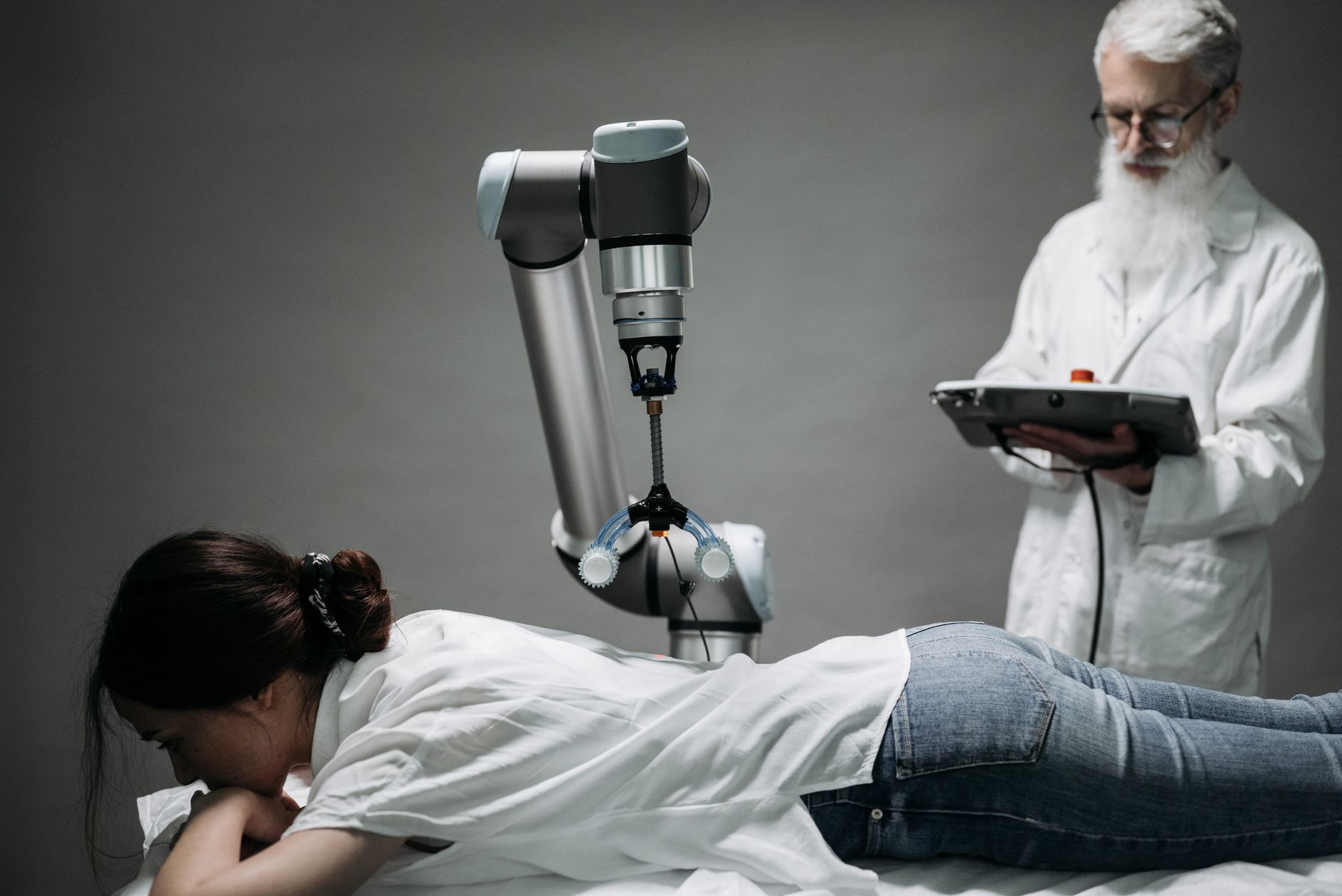
AI in Indian healthcare is gaining traction as providers shift from pilots to practical applications. This transition showcases varying adoption levels in both administrative and clinical workflows.
Introduction to AI in Indian Healthcare
The integration of AI in Indian healthcare is witnessing a significant transformation as providers transition from pilot projects to practical implementations. This shift is crucial for enhancing both administrative and clinical workflows within the industry. As healthcare systems grapple with rising patient demands and resource constraints, the adoption of AI technologies offers promising solutions to improve efficiency and patient care.
According to recent insights from Bain & Company and HealthQuad, the varying levels of AI adoption among healthcare providers highlight the need for tailored strategies to ensure successful integration. Some organizations are leveraging AI for administrative tasks such as scheduling and billing, while others are focusing on clinical applications, including diagnostics and personalized treatment plans.
To facilitate effective adoption, healthcare providers must consider several critical factors:
- Training and Education: Ensuring staff are well-trained in AI tools and technologies.
- Data Management: Developing robust systems for data collection and analysis.
- Collaboration: Fostering partnerships between technology developers and healthcare professionals.
By addressing these elements, the Indian healthcare sector can maximize the benefits of AI, ultimately leading to improved patient outcomes and operational efficiencies.
Current State of AI Adoption
The current state of AI adoption in Indian healthcare is marked by a significant transition from experimental pilots to practical applications. According to a recent report by Bain & Company and HealthQuad, healthcare providers across India are increasingly integrating AI technologies into their administrative and clinical workflows. This shift is driven by a growing recognition of the benefits that AI can offer, such as improved efficiency, enhanced patient outcomes, and reduced operational costs.
However, the level of adoption varies considerably among different healthcare institutions. Some leading hospitals have successfully implemented AI solutions in areas like diagnostic imaging and patient management, while others are still in the early stages of exploration. The following factors contribute to this disparity:
- Resource Availability: Institutions with more financial and technological resources are better positioned to adopt AI.
- Regulatory Environment: Clear guidelines and support from regulatory bodies can facilitate smoother integration of AI.
- Training and Awareness: There is a pressing need for training programs to educate healthcare professionals about AI tools.
- Patient Acceptance: Gaining trust from patients regarding AI-driven decisions is crucial for broader acceptance.
Overall, the future of AI in Indian healthcare looks promising, with ongoing initiatives aimed at overcoming existing barriers.
Challenges in Implementation
Despite the promising potential of AI in Indian healthcare, several challenges hinder its effective implementation across various settings. One significant barrier is the lack of standardized data practices, which complicates data sharing and integration between systems. This fragmentation can lead to inefficiencies and inaccuracies in AI-driven decisions.
Moreover, there is often a resistance to change among healthcare providers, who may be hesitant to adopt new technologies due to concerns over job displacement or the complexity of integrating AI into existing workflows. This cultural shift requires comprehensive training and support to ensure that staff are not only comfortable with AI tools but also understand their benefits.
Additionally, regulatory hurdles present another challenge. The absence of clear guidelines on the use of AI in clinical practice can create uncertainty for healthcare providers, making them cautious about widespread adoption. Finally, the financial implications of implementing AI solutions, including the costs of technology and ongoing maintenance, can be prohibitive, especially for smaller healthcare facilities.
In summary, addressing these challenges is crucial for the successful transition of AI from pilot projects to practical, everyday applications in Indian healthcare.
Success Stories from Healthcare Providers
Several healthcare providers in India have successfully integrated AI into their operations, showcasing the transformative potential of technology in improving patient outcomes and operational efficiency. One notable example is Fortis Healthcare, which has implemented AI-driven tools to enhance diagnostic accuracy, particularly in radiology. By utilizing advanced algorithms, they have reduced the time taken to analyze scans, allowing for quicker treatment decisions.
Another success story comes from Manipal Hospitals, where AI applications in patient management have streamlined administrative processes. By automating appointment scheduling and patient follow-ups, the hospital has significantly reduced wait times and improved patient satisfaction.
Max Healthcare has also adopted AI in clinical workflows, leveraging predictive analytics to identify high-risk patients. This proactive approach not only helps in timely intervention but also optimizes resource allocation within the hospital.
These examples illustrate how AI in Indian healthcare is moving beyond pilot projects to practical applications, driving efficiency and enhancing patient care. As more healthcare providers share their success stories, the momentum for broader AI adoption will likely continue to grow, setting a precedent for future advancements in the sector.
Future of AI in Indian Healthcare
The future of AI in Indian healthcare looks promising, with a growing recognition of its potential to transform patient outcomes and streamline operations. As healthcare providers transition from pilot programs to practical applications, several key trends are emerging.
- Integration with Telemedicine: AI technologies are increasingly being integrated into telemedicine platforms, enhancing remote patient monitoring and providing personalized care solutions.
- Data-Driven Decision Making: The ability of AI to analyze vast amounts of data is leading to more informed clinical decisions, ultimately improving treatment efficacy.
- Predictive Analytics: Hospitals are leveraging AI for predictive analytics, anticipating patient needs and optimizing resource allocation, which is crucial in a resource-constrained environment.
- Enhanced Patient Engagement: AI-driven chatbots and virtual assistants are improving patient engagement, offering timely information and support, which enhances the overall patient experience.
Furthermore, collaborations between technology firms and healthcare providers are expected to accelerate innovation and adoption. As regulatory frameworks evolve, ensuring compliance and ethical considerations will be vital in harnessing the full potential of AI across the Indian healthcare landscape.
Comparative Analysis of Workflows
As healthcare providers in India transition from pilot programs to practical applications, a comparative analysis of workflows reveals significant disparities in AI adoption. Both administrative and clinical settings exhibit unique challenges and opportunities for integrating AI in Indian healthcare.
In administrative workflows, AI tools are primarily employed for:
- Patient Scheduling: AI optimizes appointment management, reducing wait times and improving patient satisfaction.
- Claims Processing: Automation of billing and insurance claims accelerates reimbursements and minimizes errors.
- Data Management: AI facilitates efficient handling of patient records, ensuring compliance and enhancing accessibility.
Conversely, in clinical workflows, the adoption of AI technologies focuses on:
- Diagnostic Assistance: AI algorithms analyze medical images and support physicians in making accurate diagnoses.
- Personalized Treatment Plans: Machine learning models assess patient data, offering tailored therapeutic options to improve outcomes.
- Remote Monitoring: AI-powered devices track patient health metrics, enabling timely interventions and reducing hospital readmissions.
These varying adoption rates highlight the need for targeted strategies to enhance the effective integration of AI in Indian healthcare, ensuring that both administrative and clinical workflows benefit from the advancements in technology.
Conclusion and Recommendations
In conclusion, the integration of AI in Indian healthcare presents both significant opportunities and challenges. The journey from pilot projects to widespread implementation requires a strategic approach that emphasizes collaboration among stakeholders. To successfully adopt AI technologies, healthcare providers should consider the following recommendations:
- Invest in Training: Continuous education and training for healthcare professionals are essential to leverage AI tools effectively.
- Enhance Data Infrastructure: Robust data management systems must be established to ensure the quality and accessibility of health data.
- Foster Collaboration: Partnerships between tech companies, healthcare providers, and government bodies can facilitate knowledge sharing and resource allocation.
- Focus on Patient-Centric Solutions: AI applications should prioritize patient needs and outcomes, ensuring that technology enhances the quality of care.
- Implement Regulatory Frameworks: Clear guidelines and regulations will help mitigate risks and ensure ethical AI deployment in healthcare settings.
By adopting these proven strategies, Indian healthcare providers can transition AI from an experimental phase to a transformative force, ultimately improving patient outcomes and operational efficiency.
Implementing AI in Indian healthcare has shown tremendous potential to enhance patient outcomes and streamline operations. By focusing on proven strategies for effective adoption, stakeholders can maximize the benefits of AI in Indian healthcare.
Photo by Pavel Danilyuk on Pexels